5 Hidden Bottlenecks Crushing Your Agency’s Profit Margins
Introduction: The constant struggle for profitability in agencies isn't about working harder, but smarter.
Every agency owner knows the feeling: the team is working at full capacity, clients are signing on, yet profit margins remain stubbornly thin. You're caught in a cycle of hiring more people to handle more work, but the financial returns don't scale at the same rate. The real issue isn't a lack of effort or a shortage of clients; it's the invisible operational drag caused by hidden bottlenecks. These are the accepted, everyday inefficiencies that silently drain your resources, kill billable hours, and create a structural disadvantage that no amount of hard work can overcome.
Bottleneck 1: Manual Client Reporting – The time-suck that kills billable hours.
One of the most significant yet overlooked profit drains is the manual creation of client reports. Think of the hours your account managers and specialists spend each week pulling data from a dozen different platforms, plugging it into spreadsheets, and then painstakingly designing PowerPoint or Google Slides presentations. These are highly skilled, strategic thinkers spending a quarter of their time on low-value, repetitive administrative tasks. This isn't just a waste of their talent; it's a direct hit to your bottom line. Every non-billable hour spent on manual reporting is an hour they could have spent on strategy, client retention, or upselling—activities that actually grow your revenue. Furthermore, manual processes are prone to human error, which can lead to embarrassing corrections and erode client trust.
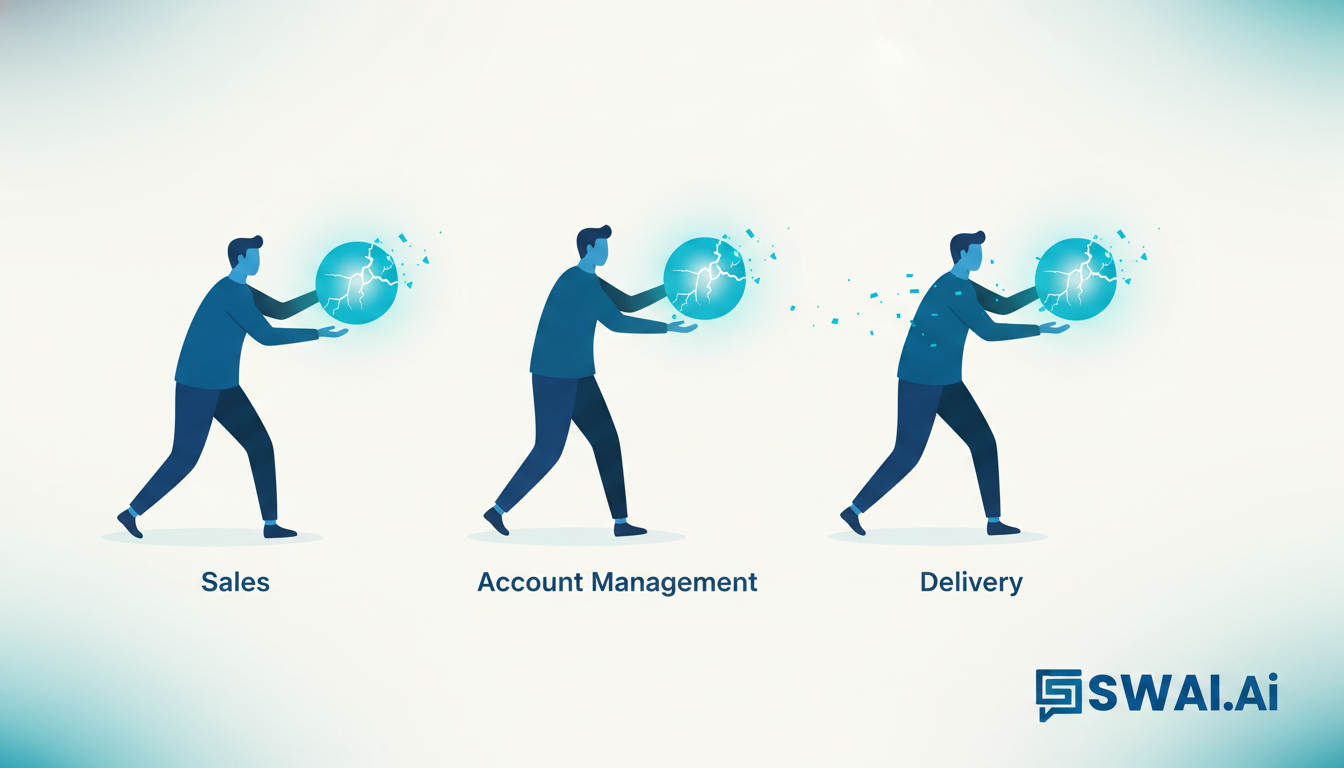
Bottleneck 2: Fragmented Team Handoffs – How crucial client details get lost between your sales, account, and delivery teams, leading to errors and rework.
When a new client is won, a critical transfer of information must occur between your sales team, the account managers, and the delivery specialists. In most agencies, this 'handoff' is a collection of hurried emails, messy CRM notes, and a kickoff call where half the context is inevitably lost. This fragmentation is a breeding ground for inefficiency. The delivery team starts with an incomplete picture, leading to mismatched expectations, strategic missteps, and costly rework. The client is forced to repeat themselves, creating a frustrating experience that damages their initial excitement and confidence in your agency. This single bottleneck doesn't just delay results; it sets a poor precedent for the entire client relationship, making every subsequent step harder than it needs to be.
Bottleneck 3: Inefficient Lead Nurturing – Letting valuable leads go cold because your team is manually tracking follow-ups in spreadsheets and CRMs.
You spend significant time and money generating leads through content, webinars, and networking. Yet, what happens to the leads that don't immediately convert? Too often, they end up in a CRM or spreadsheet, marked for a 'manual follow-up' that gets lost in the daily shuffle. Your team is so busy serving current clients that nurturing potential future clients becomes a secondary, inconsistent effort. This isn't a failure of your people; it's a failure of the system. Without an automated, intelligent nurturing process, you are effectively burning marketing budget. Each lead that goes cold represents a missed revenue opportunity and a potential long-term client who went to a competitor with a more persistent and organized follow-up strategy.
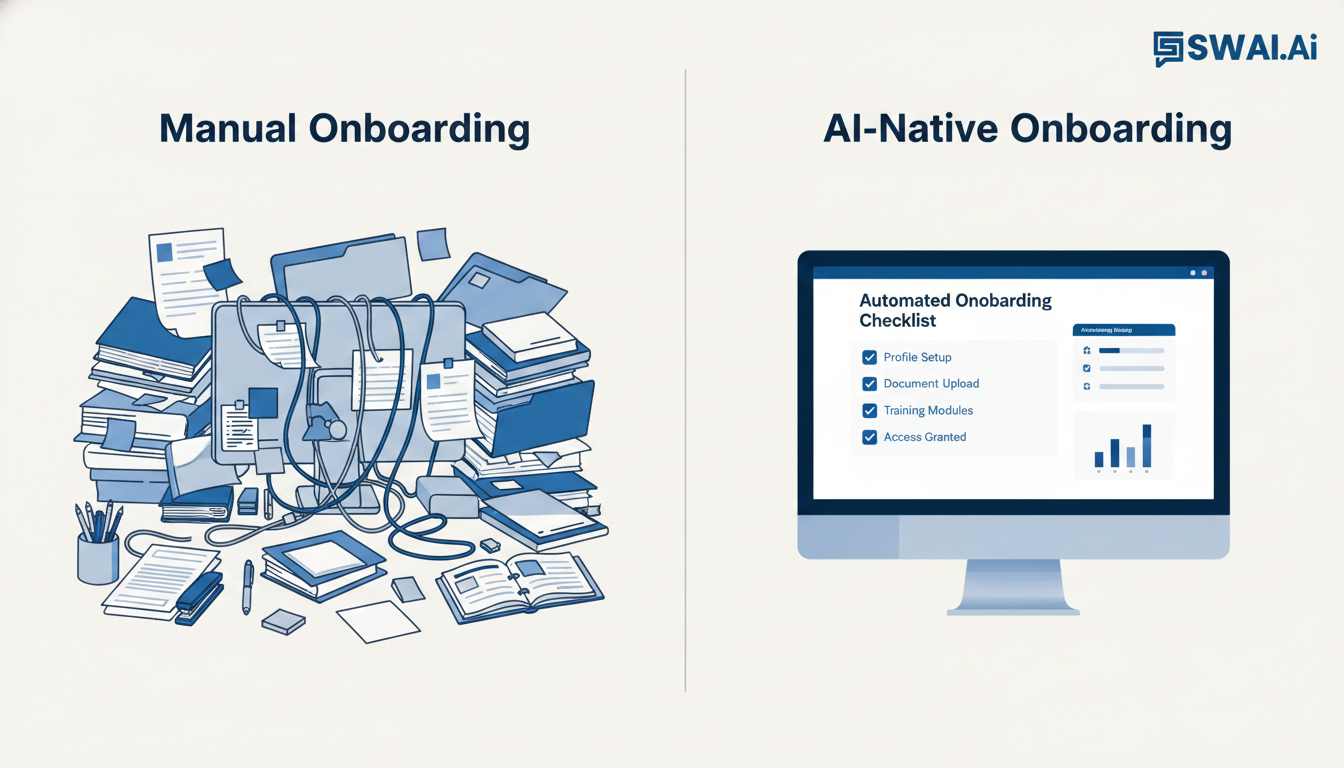
Bottleneck 4: Slow & Manual Client Onboarding – A poor first impression that delays results and increases churn risk, all due to manual setup and communication.
The period immediately after a client signs the contract is the most critical for setting the tone of the relationship. A slow, manual onboarding process filled with endless email chains for access, manual setup of project management tools, and repetitive data entry creates friction and buyer's remorse. It delays the client's time-to-value and communicates disorganization. This initial experience erodes confidence and plants a seed of doubt that can grow into a churn risk down the line. A clunky onboarding isn't just an administrative headache; it's a strategic failure that forces your team to start the relationship on the back foot, constantly working to regain the trust that was lost in the very first step.
Conclusion: These aren't just minor issues; they represent a fundamental structural disadvantage. The solution isn't another tool, but a unified infrastructure.
These four bottlenecks are not isolated problems to be fixed with another disconnected software tool or a new checklist. They are symptoms of a deeper, structural issue: your agency's growth is dependent on fragmented systems and manual human coordination. To truly scale your profits, you must move from 'organized labor' to 'intelligent infrastructure.' The solution is to stop patching the holes and instead install a single, unified growth engine that automates these processes, ensures seamless data flow, and frees your talented team to focus on high-value, strategic work that delights clients and drives revenue.
If you are tired of watching these hidden bottlenecks erode your profit margins and are ready to see how an AI-native infrastructure can solve them permanently, we invite you to take the next step. Join our live build this Tuesday where we will construct an operator-less system designed specifically to eliminate these agency growth-killers. See for yourself how to reclaim lost hours and build a more profitable, scalable agency.
