Introduction
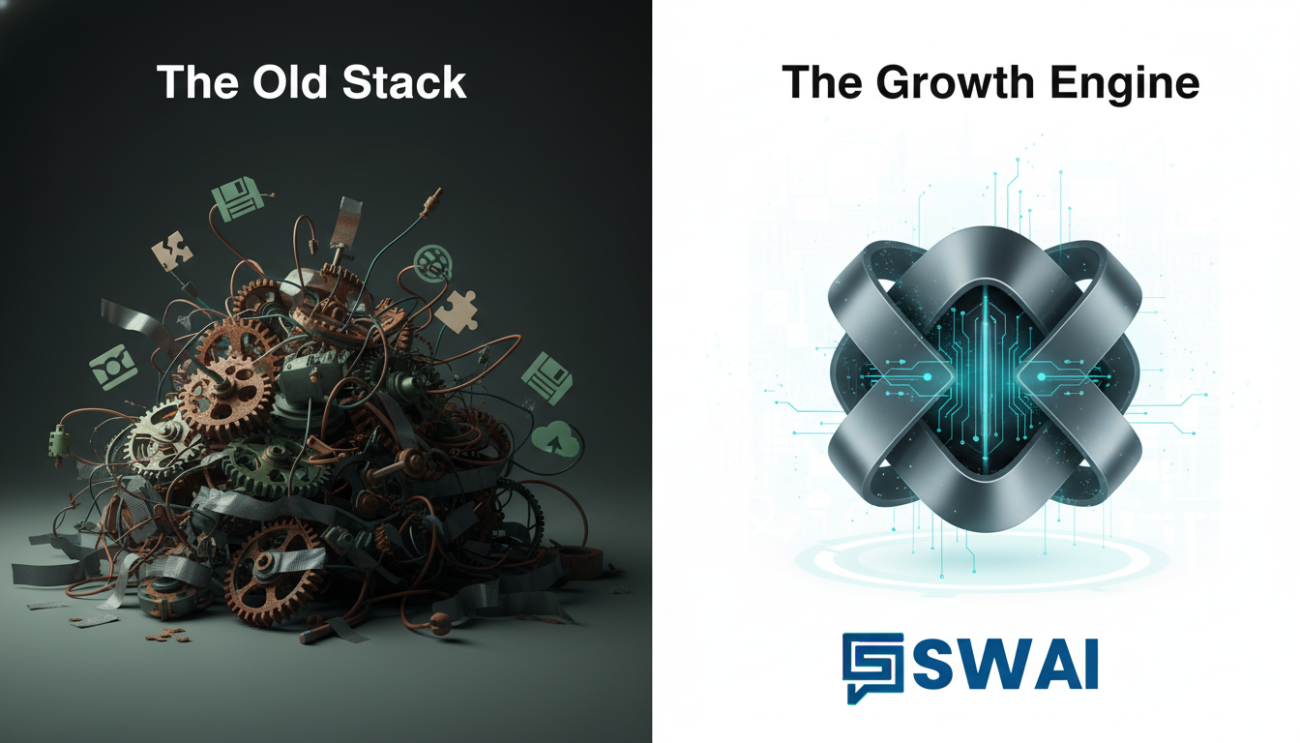
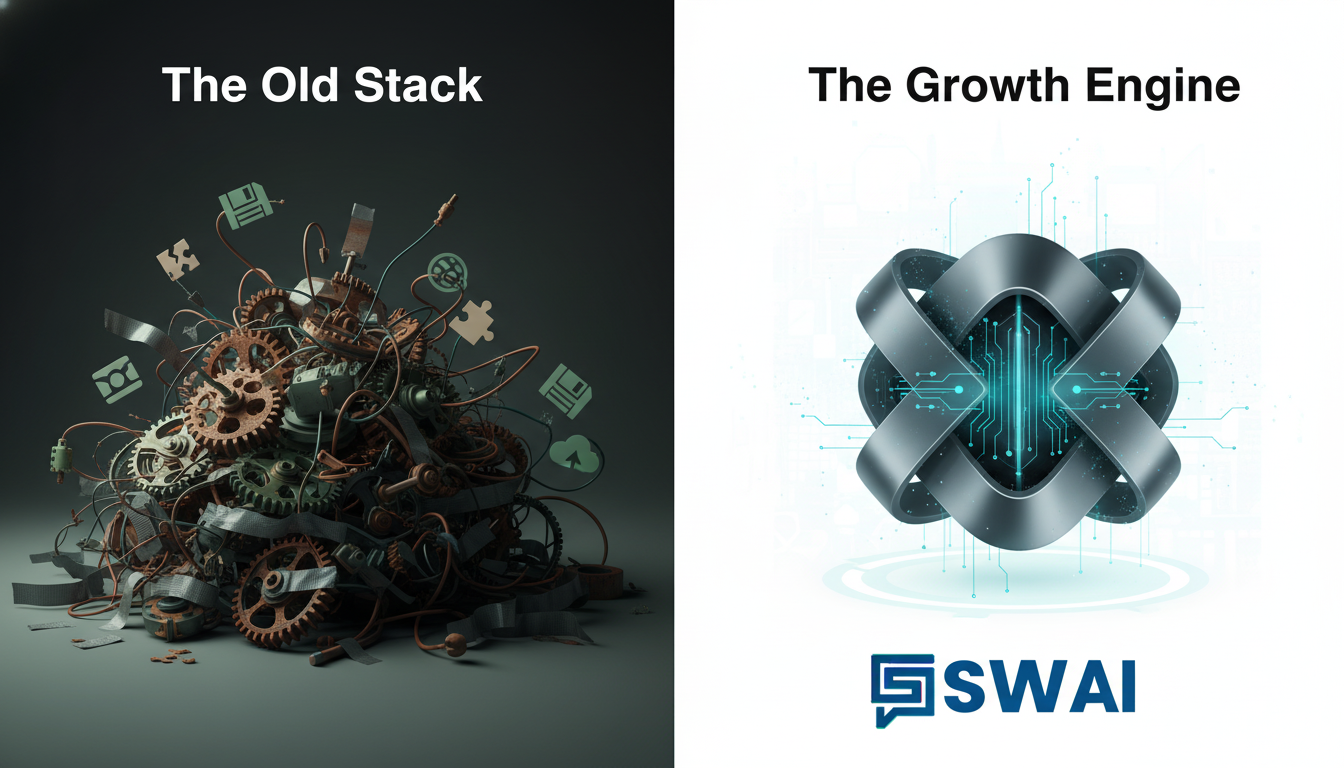
If you're running a digital agency, your growth stack probably looks familiar: a CRM for contacts, an email marketing tool for outreach, a scheduler for appointments, a project manager for tasks, and a handful of other SaaS subscriptions all held together with digital duct tape. We’ve been taught that this collection of tools—this 'Frankenstack'—is the price of doing business. But what if this model isn't just expensive? What if it's actively holding you back? The truth is, the fragmented, multi-tool approach to agency growth is obsolete, inefficient, and costing you more than just money.
The Problem with 'Stacks': The Integration Nightmare
The biggest lie we've been sold is that these tools 'integrate' seamlessly. In reality, agency owners spend countless hours wrestling with APIs, setting up complex Zaps, and troubleshooting broken workflows. Every new tool adds another potential point of failure. Your client data gets siloed across different platforms, creating an incomplete picture of your customer journey. You live with the constant, low-level anxiety that a single software update could bring your entire lead generation process to a screeching halt. This isn't a growth system; it's a house of cards that requires constant maintenance. You're forced to work on the system instead of letting the system work for you.
The Hidden Costs: Subscription Bloat
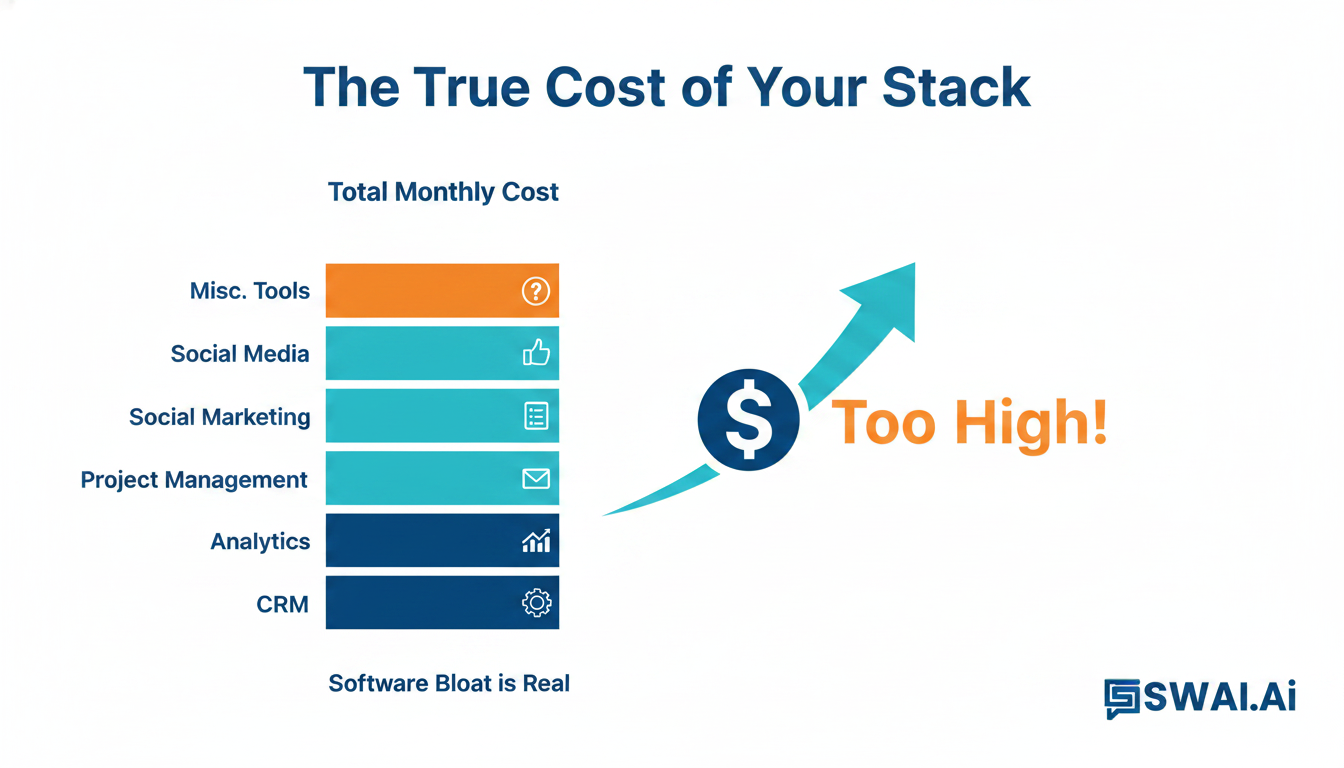
Let's talk about the most obvious pain point: the cost. A £50/month CRM, a £100/month email tool, a £30/month scheduler—it all adds up. But the subscription fees are just the tip of the iceberg. The true cost of your stack includes:
**Training Time:** The hours your team spends learning to navigate 10 different user interfaces.
**Integration Fees:** The cost of middleware like Zapier just to make your tools talk to each other.
**Wasted Resources:** Paying for features you don't use in oversized software packages.
**Cognitive Load:** The mental energy wasted switching between platforms, which kills focus and productivity.
When you calculate the total cost of ownership—both in money and in time—that 'affordable' stack becomes an expensive liability. It's a slow drain on the resources you should be investing in actual growth activities.
The Alternative: An AI-Native Growth Engine
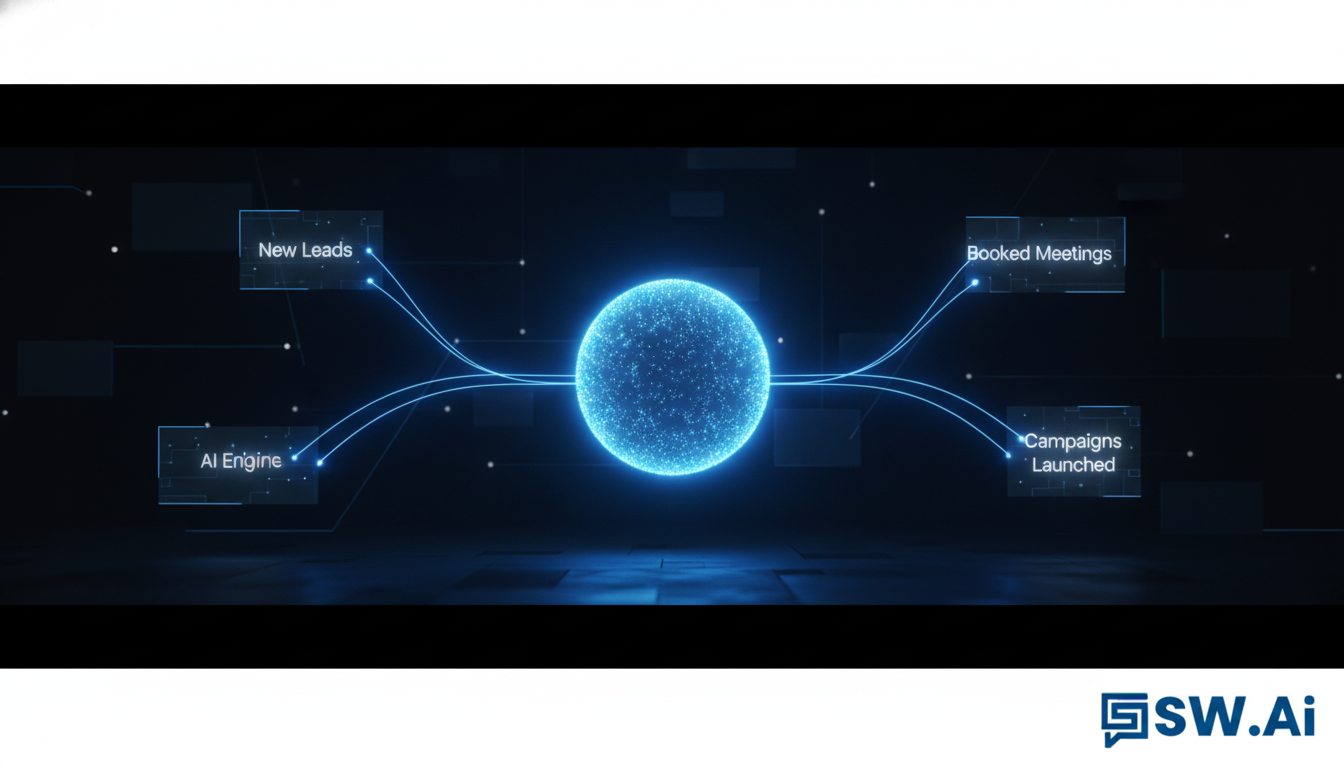
What if, instead of patching together a dozen different tools, you could install a single, autonomous growth engine? This is the fundamental shift from a fragmented stack to an integrated system. An AI-native engine like SWAI doesn't just connect tools; it unifies the entire growth process from demand generation to sales. Imagine giving a single command—"find me 10 new consulting clients this month"—and having the system autonomously build the campaign, deploy the assets, nurture the leads, and book the appointments.
Because every step happens within one ecosystem, the AI can optimize the entire funnel in real-time. It learns what's working and what's not, reallocating resources from underperforming ads to high-converting emails without any manual intervention. This is something a fragmented stack can never do. It's the difference between a collection of parts and a high-performance engine.
Conclusion: Stop patching your funnel. It's time to install a true growth engine.
The old way of building an agency meant becoming a part-time systems integrator. You were forced to spend your most valuable resources—time, money, and focus—on managing a fragile and inefficient collection of software. That era is over. To truly scale in the age of AI, you need to stop thinking in terms of 'stacks' and start thinking in terms of 'engines'. It's time to move beyond the manual, fragmented model and install a single, intelligent system that does the work for you, allowing you to focus on what you do best: serving your clients.
Are you tired of patching a broken system? We're showing you how to install a true growth engine in our live masterclass this week. See the difference an AI-native approach makes and discover the blueprint for building an 'Operator-Less' agency. This isn't another tool; it's a complete business deployment. Save your seat now.
