Sustainable agency growth isn't about working more hours or hiring faster. It’s not about finding that one 'magic bullet' tactic or adopting another disconnected software tool. True scalability comes from systematically identifying and removing the friction in your operations. Most agencies aren't blocked by a lack of strategy or information; they're blocked by execution overwhelm. They're wrestling with operational bottlenecks that drain time, kill momentum, and keep the founder trapped in the day-to-day grind. The old playbook of patching systems together is breaking. It's time to stop working harder and start building smarter.
Bottleneck 1: Inconsistent Lead Flow & Manual Follow-Up
One week, your pipeline is full; the next, it's a ghost town. This feast-or-famine cycle is a classic symptom of a systemic bottleneck. Relying on referrals or sporadic outreach creates unpredictability, forcing you into reactive sales modes. Worse yet is the manual follow-up required. Juggling spreadsheets, setting calendar reminders, and manually personalizing emails for every lead is a monumental time sink. It’s not just inefficient; it’s unscalable. Valuable opportunities inevitably slip through the cracks, not due to a lack of interest, but due to a lack of a robust system.
The solution is to move from manual, inconsistent actions to an AI-driven client acquisition engine. Imagine a system that doesn't just automate outreach but intelligently qualifies leads based on their responses and behavior. It can nurture prospects with personalized follow-ups, schedule meetings with those who are ready, and keep your pipeline consistently warm—all without you manually typing a single email. This isn't just automation; it's a smart execution layer that ensures consistent lead flow, giving you predictable growth.
Bottleneck 2: Chaotic Client Onboarding & Fulfillment
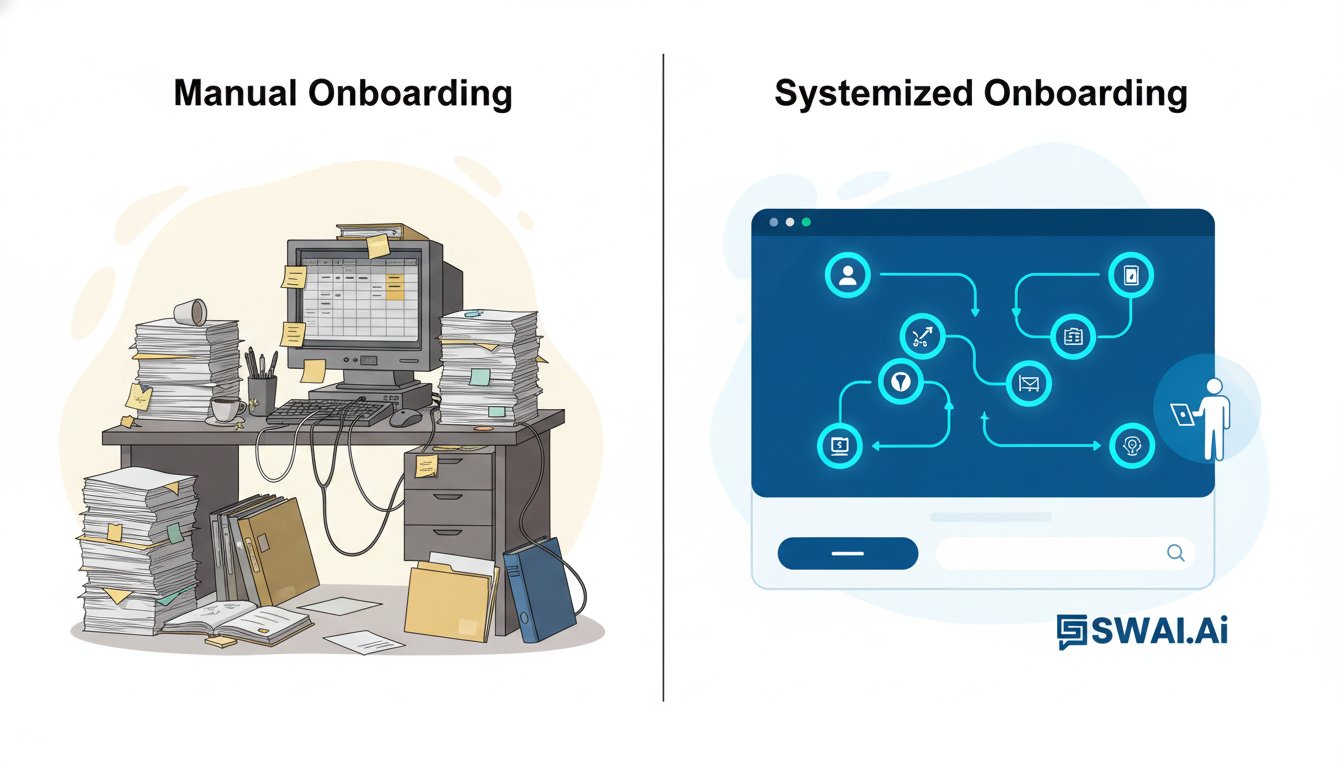
Once you've closed a new client, the real operational test begins. For many agencies, onboarding is a frantic scramble of manual tasks: creating folders, sending welcome packets, scheduling kickoff calls, and granting access to various platforms. This chaos isn't just unprofessional; it creates a poor first impression and introduces a high risk of error. When fulfillment relies on individual heroics rather than a standardized process, every new client adds to the operational overhead, making it impossible to scale without compromising quality or burning out your team.
This is where automated workflows become your greatest leverage. An AI-native system can orchestrate the entire onboarding and fulfillment process from the moment a contract is signed. It can trigger a sequence that automatically sets up client assets, sends customized communications, and assigns tasks to the right team members. This ensures every client receives the same high-quality, consistent experience, every single time. It transforms fulfillment from a manual, error-prone bottleneck into a streamlined, scalable, and repeatable system.
Bottleneck 3: Time-Sucking Manual Reporting
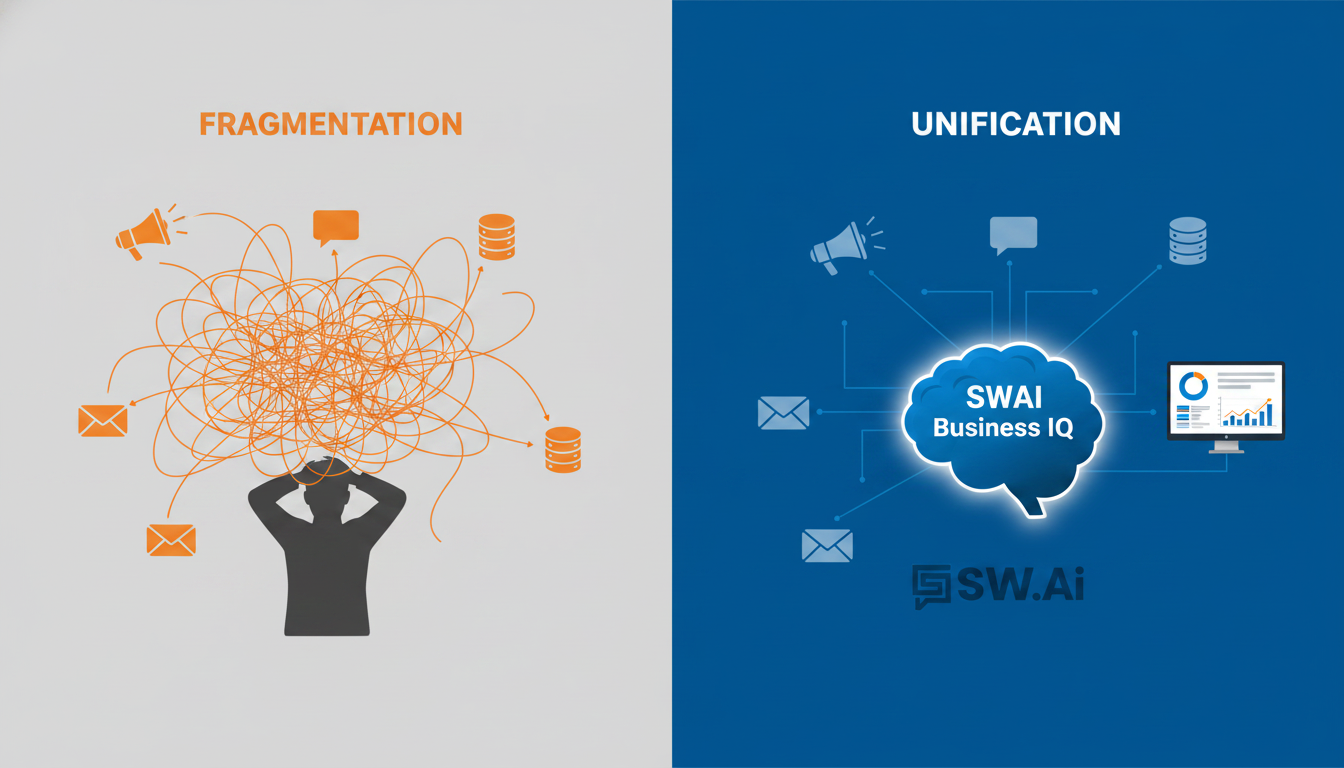
How much time does your team spend pulling data from a dozen different platforms—Google Analytics, your ad manager, your CRM, social media—just to assemble a single client report? This process is a classic example of execution complexity. The data is fragmented, the tools don't communicate, and the result is hours of manual labor spent on low-value tasks. This bottleneck doesn't just waste billable hours; it prevents you from gaining real-time insights into campaign performance, forcing you to make strategic decisions based on outdated information.
A unified execution system eliminates this problem entirely. Instead of pulling data from disconnected sources, it integrates them into a single intelligence layer. This provides you and your clients with instant, live insights into what’s working and what isn’t. Reporting becomes an automated function, not a manual chore. This frees up your team to focus on high-impact strategy and optimization, turning data into a tool for growth instead of an operational burden.
Bottleneck 4: The Founder as the Sales Bottleneck
If your agency's growth is entirely dependent on your personal involvement in sales, you don't have a business; you have a high-paying job. This is the ultimate bottleneck. When the founder is the only one who can effectively sell, the agency's growth is capped by their personal capacity. You become the constraint, unable to step away to focus on the vision and long-term strategy because you're constantly pulled into discovery calls, proposal writing, and closing deals.
Breaking free requires building a client acquisition system that can operate without you. This goes beyond just lead generation; it's an end-to-end system that attracts, nurtures, qualifies, and books appointments with ideal prospects. By systemizing your sales process—from the initial ad or outreach to the booked call—you create a predictable engine for growth that isn’t reliant on your presence. An AI-powered system can handle the initial qualification and scheduling, ensuring that the only calls you (or your sales team) take are with highly-qualified, high-intent prospects. This is how you transition from being an operator in the business to an owner of the business.
Conclusion: Stop Adding Tools, Start Installing a System
The common thread through all these bottlenecks is fragmentation. The old way of solving problems was to add another tool, another workflow, another person. This approach only adds to the operational chaos and complexity. Fixing these fundamental growth constraints doesn't require more software dashboards. It requires a single, smart execution system that understands your business and turns your strategy into a live, optimized client acquisition machine. By removing friction at each stage, you create a leaner, faster, and more scalable agency poised for predictable growth.
Are you ready to stop patching holes and start building a true growth engine for your agency? It's time to replace operational chaos with a system that crushes these bottlenecks for good. We're building one live, and we invite you to join us and see how it’s done. See you this Tuesday.
