Introduction: The Myth of the Perfect Tech Stack
Every founder has been sold the dream: a perfectly curated 'tech stack' of best-in-class tools, all working in harmony to fuel unstoppable growth. But for many, the reality is a nightmare of disconnected software, mounting subscription costs, and endless manual work. This is operational drag—the invisible force where the very tools meant to accelerate your business become a heavy anchor. Instead of creating leverage, your stack creates complexity, silently sabotaging your efforts to scale. It's time to question whether your growth engine is actually a growth liability.
Sign 1: The Data Disconnect
Your CRM holds your customer data, your email platform has engagement metrics, and your project management tool tracks delivery. The problem? None of them talk to each other without your intervention. You've become a human API, spending your valuable time manually exporting CSVs, cross-referencing dashboards, and translating data from one system to the next. This creates dangerous data silos where critical insights are lost. A lead's behavior on your website isn't connected to their sales conversation, and customer feedback from a support ticket never informs your marketing messages. Every gap is a missed opportunity for a smarter, more personalized customer experience.
Sign 2: The Manual Patchwork Nightmare
Does your workflow rely on a fragile web of Zaps, webhooks, and custom integrations? While these tools are powerful, they often create a 'patchwork system' that is brittle and time-consuming to maintain. You spend hours troubleshooting why a lead from your form didn't sync to your CRM or why a payment notification failed. Every new tool you add requires another patch, another potential point of failure. This isn't a system; it's a series of temporary fixes that pull you away from high-value, revenue-generating activities. Your focus shifts from strategy to maintenance, and your business becomes dependent on a complicated infrastructure that only you understand.
Sign 3: The Rising Tide of Subscription Bloat
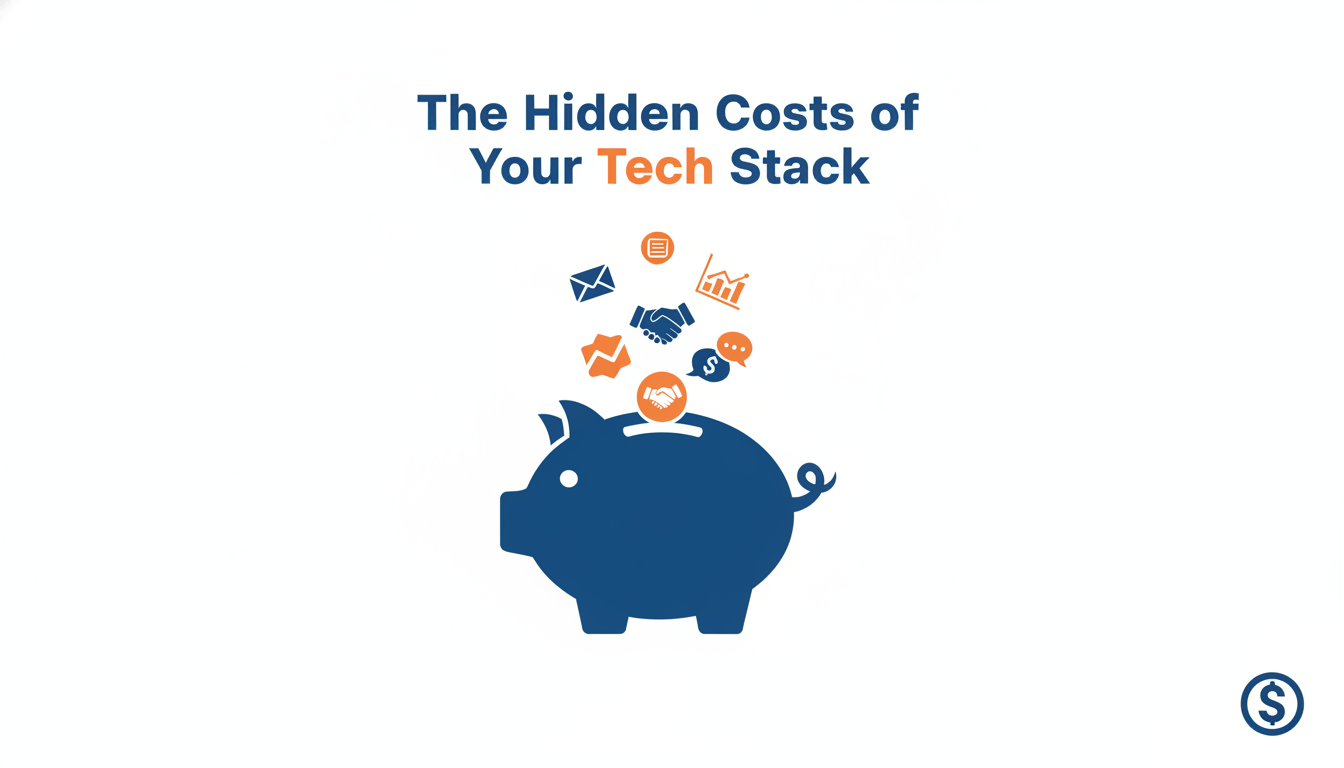
Take a moment to audit your monthly software expenses. One tool for social scheduling, another for email automation, a third for analytics, a fourth for landing pages, and so on. Individually, these costs seem manageable. Collectively, they represent a significant financial drain known as 'subscription bloat.' The cost isn't just financial. It's also the cognitive load of context-switching between a dozen different dashboards, each with its own interface and login. You're paying for redundant features and spending precious mental energy trying to stitch it all together, when a single, intelligent system could deliver a more cohesive and cost-effective result.
Sign 4: The Human Bottleneck
If your growth process requires you to manually approve a step, analyze a report to decide the next action, or personally connect two team members, then your business can only scale as much as you can. You have become the primary bottleneck. True scalability requires an 'operator-less' system—one that can run, qualify, nurture, and report without your constant oversight. Every time you have to step in to 'connect the dots,' you're not just performing a task; you're putting a hard cap on your company's potential. To achieve real leverage, the system must be able to execute the strategy autonomously, freeing you up to work on the business, not just in it.
Sign 5: Your Stack is Reactive, Not Proactive
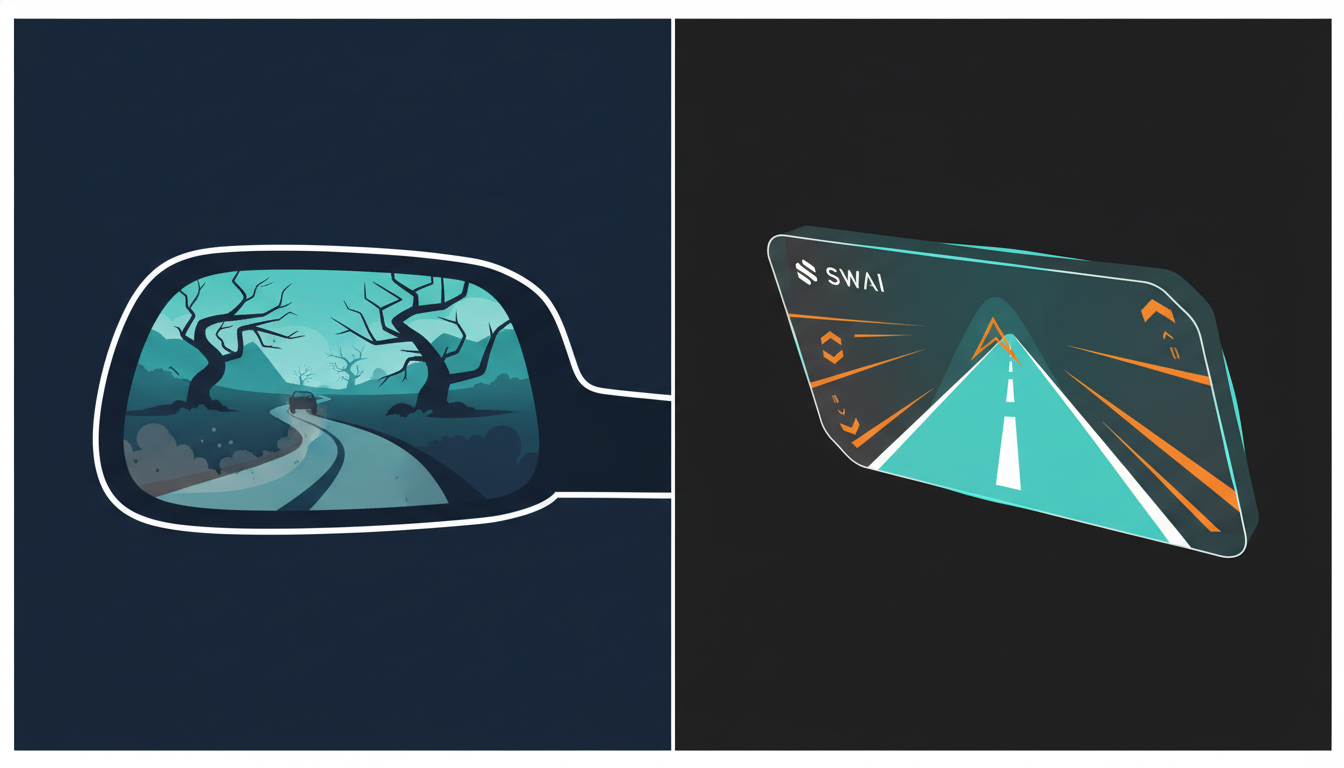
Most tech stacks are designed to be historians. They generate reports that tell you what happened yesterday: how many clicks you got, what your open rate was, and which deals closed. This is useful, but it's fundamentally reactive. A smart execution system, by contrast, is proactive. It doesn't just report on the past; it uses data to anticipate and guide the future. It can identify a high-value lead based on behavior and automatically trigger a personalized follow-up sequence. It can recognize a bottleneck in your funnel and suggest optimizations. Stop settling for tools that are a rear-view mirror and start demanding a system that acts as a GPS for growth.
From Stacking Tools to Deploying a System
If these signs feel painfully familiar, it's a clear signal that your current approach is holding you back. The solution isn't another tool to add to the pile. The solution is a fundamental shift in thinking: from building a fragmented stack to deploying a single, intelligent execution system. It's time to replace operational chaos with clarity and control. The first step is to understand where your biggest vulnerabilities are. Discover your company's AI-readiness and pinpoint the exact operational drags costing you growth.
Ready to find out if your growth engine is a liability? Take our free AI-Native Readiness Audit now. In just a few minutes, you'll get a personalized diagnosis of your growth bottlenecks and see the clear path to a more autonomous, scalable future. Stop patching, start executing.
