Beyond Automation: Why Your 'Automated' Marketing Funnel is Costing You Growth
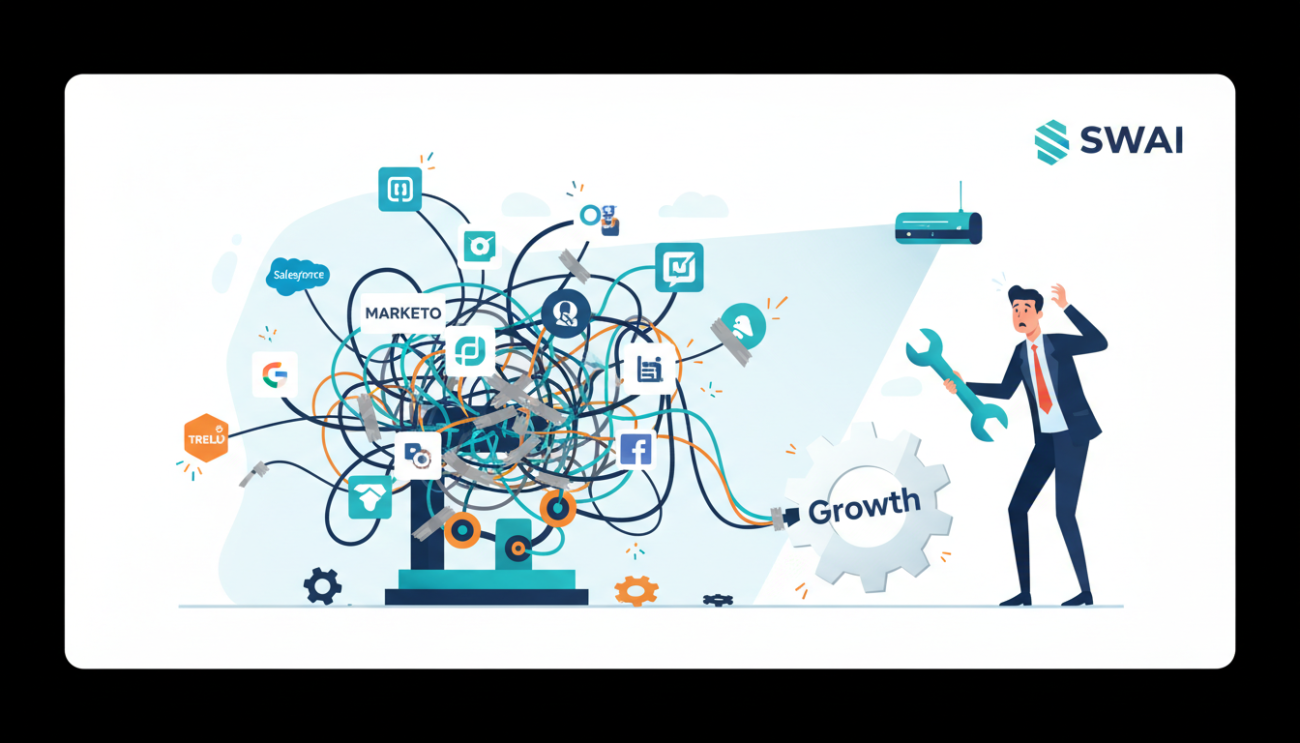
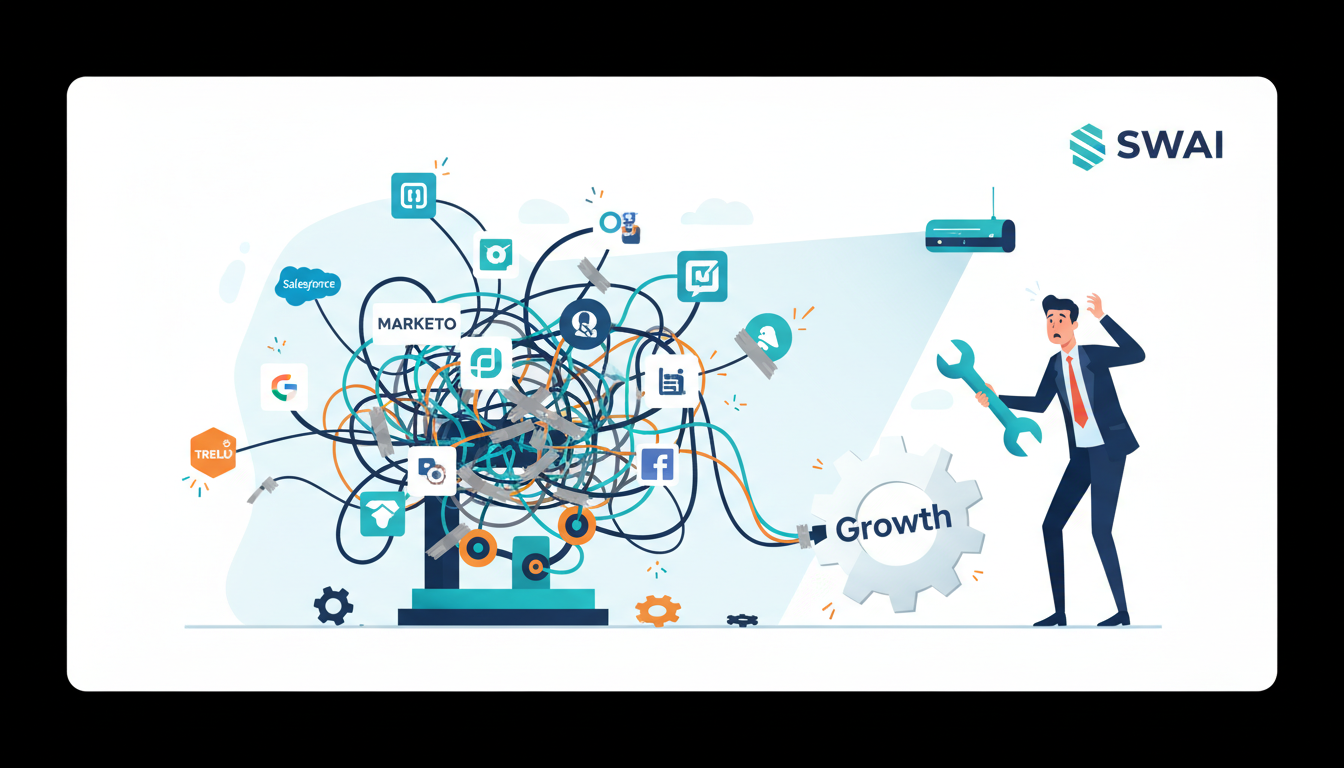
We were all sold a powerful dream: a marketing automation machine that would work tirelessly in the background, nurturing leads and driving revenue while we focused on building our business. The reality for most founders, however, is a chaotic patchwork of different apps, fragile connections, and rigid rules that demand constant human supervision. The core problem is that most 'automation' isn't intelligent; it's just a set of brittle instructions waiting to break. This isn't a growth engine; it's a high-maintenance liability.
The Myth of 'Set It and Forget It'
The biggest misconception about traditional marketing automation is that you can simply set it up and let it run. In practice, this 'automated' system requires a surprising amount of manual labor. The hidden costs are significant, not just in subscription fees, but in the time and resources spent babysitting the machine. Every founder has felt the pain of a broken Zap, a failed API integration, or an outdated workflow that silently stops working, letting qualified leads fall through the cracks. Instead of freeing you up, this fragile ecosystem forces you or your team into a reactive loop of monitoring, troubleshooting, and manually patching connections that were supposed to be seamless. This isn't automation; it's just a different kind of manual work.
Defining Self-Correcting Infrastructure
It's time to move beyond the limitations of rule-based automation. At SWAI.ai, we are pioneering a fundamental paradigm shift: the move to a self-correcting infrastructure. This isn't just a smarter automation tool; it's a completely different approach. An AI-native system doesn't just blindly follow a pre-programmed sequence. Instead, it builds, runs, and optimizes the entire customer journey autonomously. It learns from real-time data, adapts its own logic, and makes decisions to improve performance without waiting for human intervention. Imagine a GPS that not only gives you directions but also reroutes you around traffic, finds a cheaper gas station, and adjusts your ETA, all on its own. That's the difference between following rigid rules and having an intelligent infrastructure that manages itself.
The True ROI of an Operator-Less System
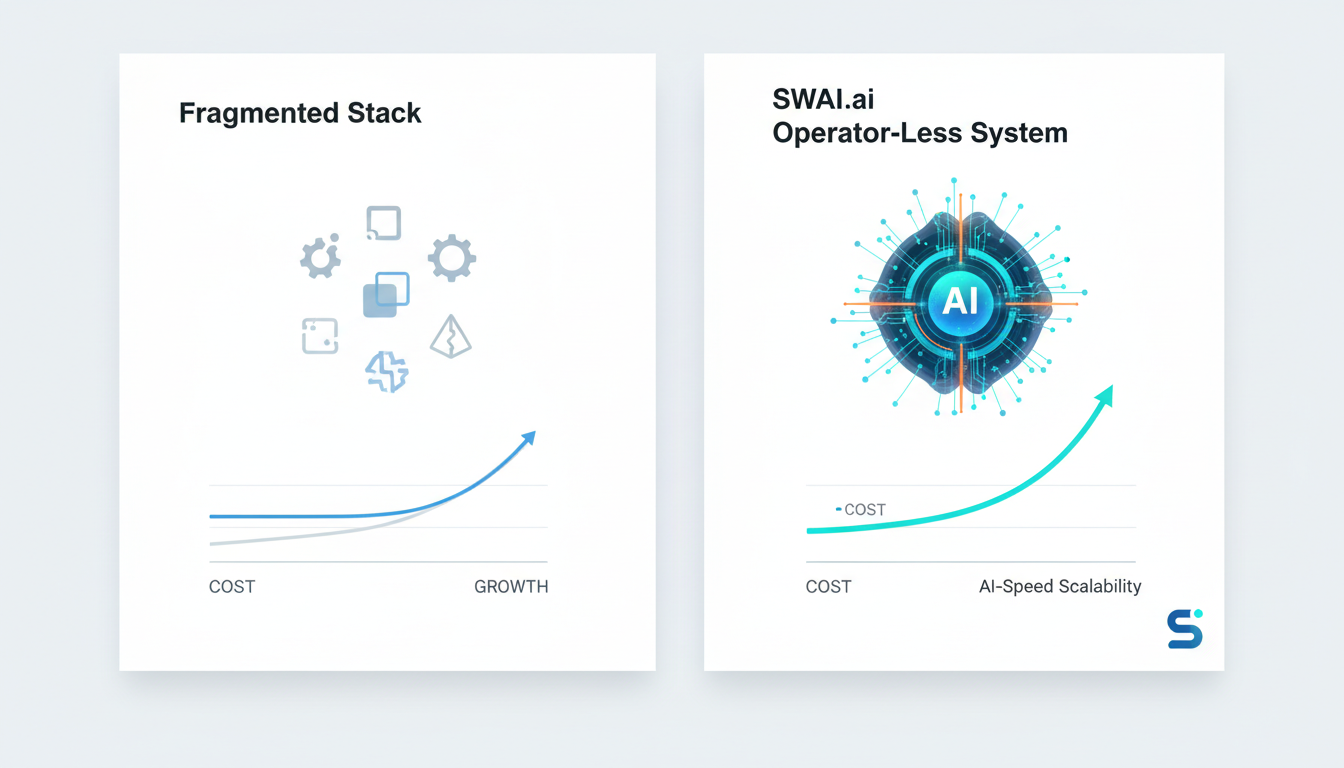
Let's talk about the real return on investment. A traditional growth stack involves a long list of expenses: multiple software subscriptions, high agency retainers, and the payroll costs for the team needed to manage it all. This fragmented approach creates significant operational drag, slowing down your ability to test, learn, and scale. An operator-less system, by contrast, provides a structural advantage. By unifying the entire growth process into a single, autonomous engine, it eliminates redundant costs and frees up capital. More importantly, it operates at AI-speed. This means faster campaign deployment, quicker optimization cycles, and the ability to scale your customer acquisition efforts without proportionally increasing your headcount. The true ROI isn't just about saving money; it's about gaining the speed and agility that your competitors, still stuck with their manual systems, simply cannot match.
Conclusion
The fundamental challenge for growth-focused founders is no longer about finding more tools to add to the stack. The real challenge is recognizing that the stack itself—the collection of human-dependent, organized labor—is the bottleneck. It’s time to stop patching a broken funnel and start thinking about the core infrastructure that powers your entire customer journey. The future of growth isn't about better automation; it's a smarter, unified, and self-correcting system that works for you, not the other way around.
Is your growth engine a liability holding you back? It's time to find out. Take our free, 2-minute AI-Native Readiness Audit to diagnose your current system and uncover your path to truly autonomous growth. Learn more and get started at https://swai.ai.
