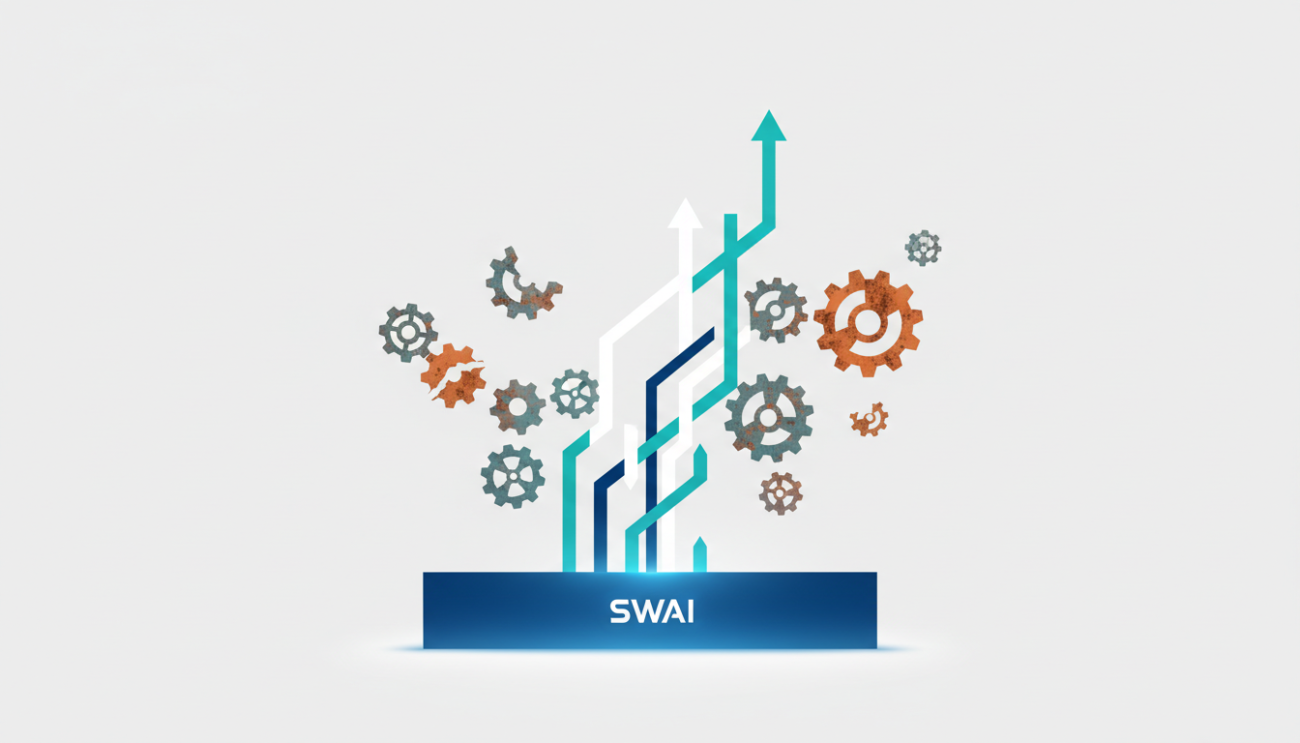
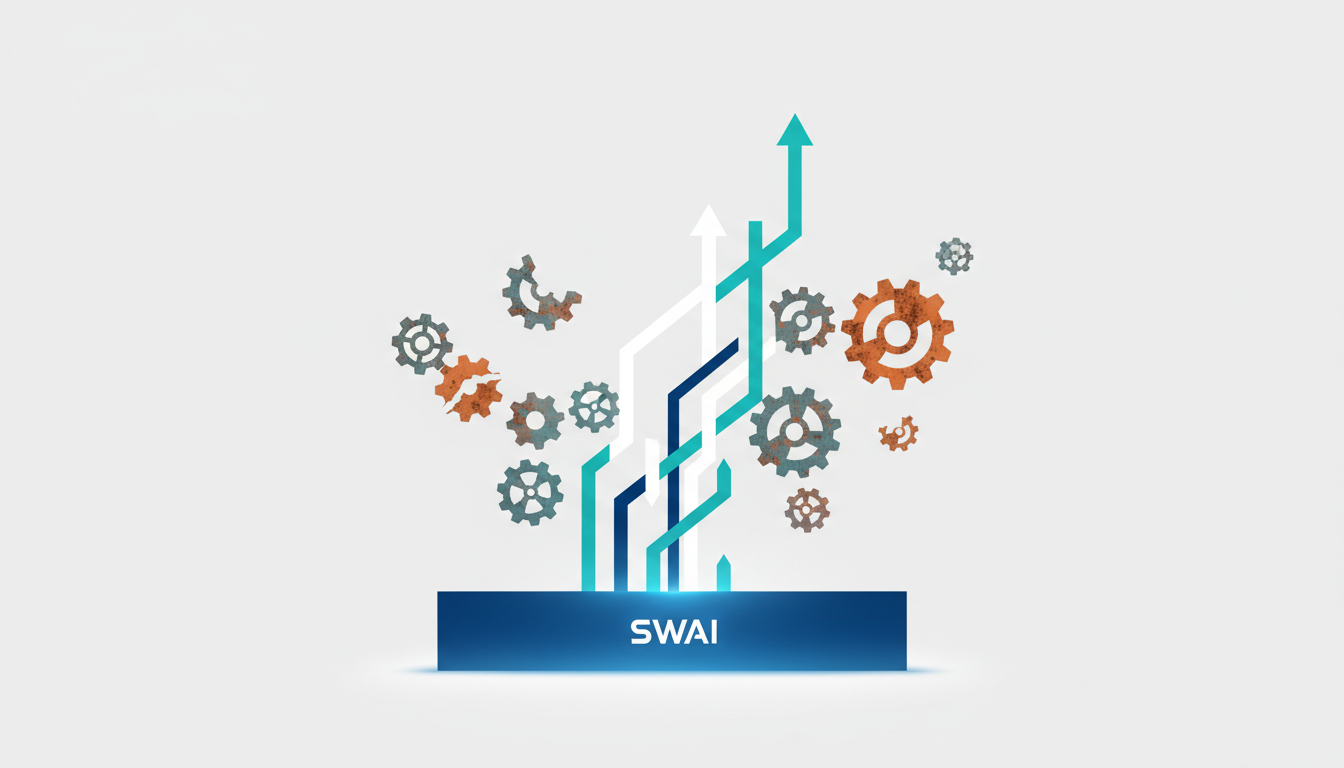
The Structural Advantage: 3 Reasons an AI-Native OS Beats Any Marketing Stack
Introduction: Beyond Tactics to True Advantage
In today's hyper-competitive B2B landscape, founders are constantly searching for an edge. We chase new marketing tactics, adopt the latest hot tools, and optimize funnels with relentless A/B testing. While these efforts can yield short-term gains, they are ultimately fleeting. Your competitors can copy your tactics, adopt the same tools, and eventually, the playing field levels out. A true, lasting competitive moat isn't built on tactics; it's built on superior infrastructure. This is the essence of a structural advantage—an operational backbone so efficient, intelligent, and fast that it fundamentally changes how you compete. For high-velocity founders, shifting focus from patching a broken system to installing a new engine is the only way to achieve sustainable, exponential growth.
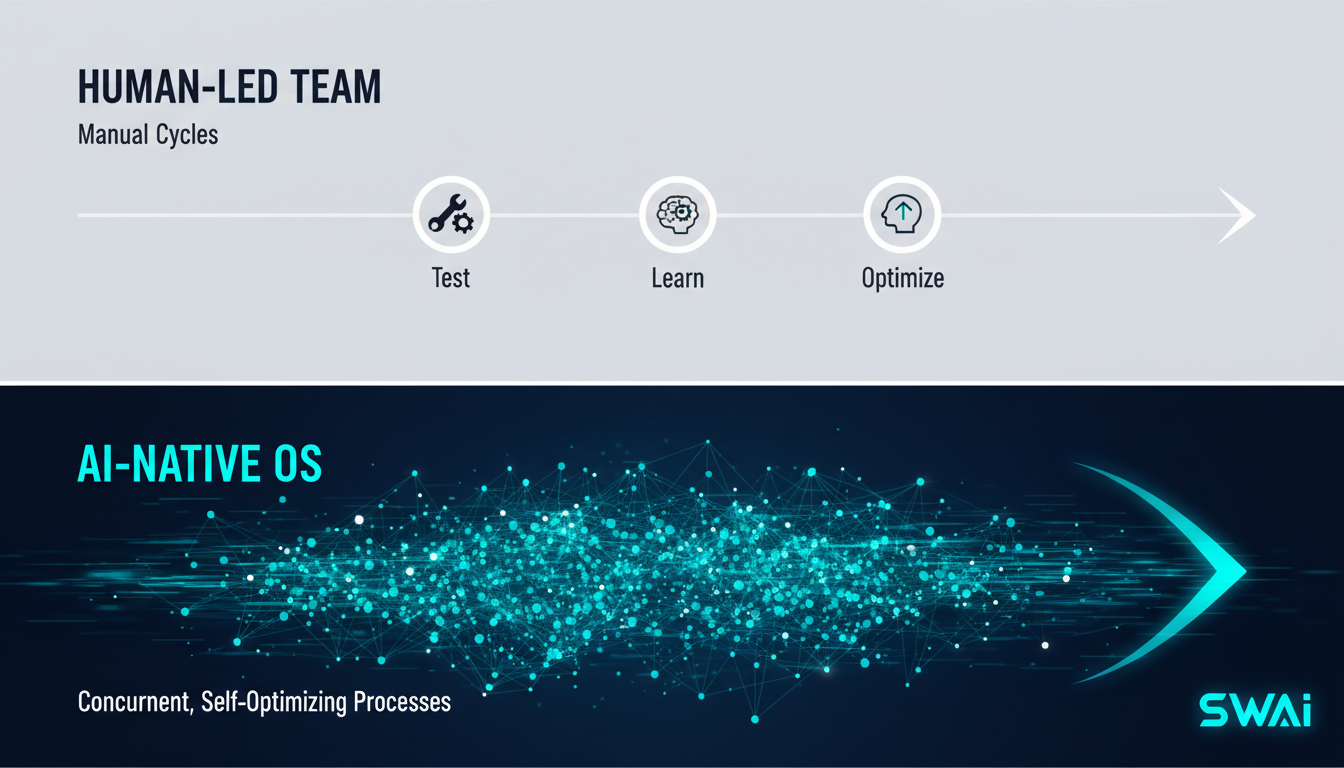
Advantage #1: AI-Speed Optimization
The most significant limitation of any human-led growth team is its speed. Even the most brilliant marketers can only run a handful of experiments at a time. They analyze the data, form a hypothesis, implement a change, and wait for results. This cycle can take days or weeks. An AI-Native Revenue OS operates on a completely different timescale. It is a self-correcting system that can test, learn, and optimize every component of the customer journey—from ad creative and audience targeting to landing page copy and email nurture sequences—thousands of times per day. Imagine an infrastructure that autonomously reallocates ad spend in real-time based on which landing page variant is converting best right now, while simultaneously adjusting the follow-up email logic for leads from that specific variant. This isn't just automation; it's continuous, multi-dimensional optimization at a velocity no human team can ever hope to match.
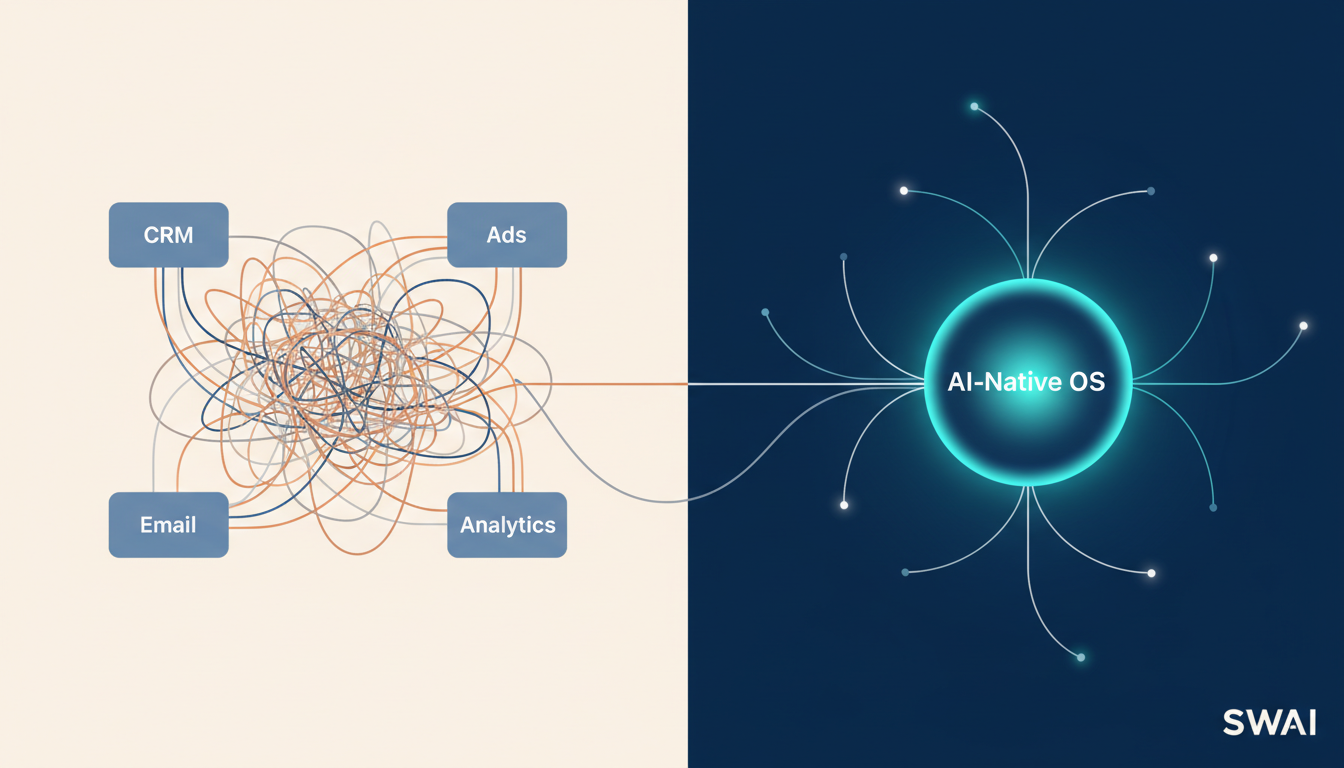
Advantage #2: Unified Intelligence
A typical marketing stack is a patchwork of disconnected tools. Your CRM holds customer data, your email platform has engagement metrics, your analytics tool tracks website behavior, and your ad platforms have performance data. Each system holds a piece of the puzzle, creating data silos that prevent a holistic understanding of the customer journey. This fragmentation leads to disjointed experiences for the customer and flawed, incomplete insights for the team. An AI-Native OS is built on a unified data model. Every interaction, from the first ad impression to the final sales call, is captured and analyzed within a single, coherent infrastructure. This unified intelligence allows the AI to make smarter, holistic decisions. It understands not just that a lead opened an email, but how the ad they clicked three days prior influences their likelihood to convert. This creates a seamlessly orchestrated customer experience and provides an unparalleled level of insight that is impossible to achieve with a fragmented stack.
Advantage #3: Radical Capital Efficiency
Founders often underestimate the true cost of their growth stack. It’s not just the monthly subscription fees for a dozen different tools. The total cost of ownership includes the salaries and benefits for a marketing manager, a sales operator, and a content creator needed to run those tools. It includes the high monthly retainers for agencies required to fill the gaps. This human-dependent model is incredibly expensive and difficult to scale; scaling revenue requires scaling headcount. An AI-Native OS introduces radical capital efficiency. It replaces the need for a large operational team and a collection of disparate tools with a single, unified platform. The system operates autonomously, 24/7, without needing human coordination. This dramatically reduces operational overhead, eliminates redundant subscription costs, and allows you to reinvest capital into initiatives that drive direct growth, not just manage complexity. The result is superior performance at a fraction of the cost.
Conclusion: Stop Competing on Tactics, Start Competing on Infrastructure
A true structural advantage is no longer a luxury reserved for massive enterprises with unlimited resources. AI-native infrastructure makes it accessible to ambitious, high-velocity founders who understand that the old way of building a growth engine is fundamentally broken. Trying to win by out-thinking your competition on tactics is a surefire path to burnout and mediocrity. The real victory lies in building a superior operational system that works, learns, and optimizes for you. It's time to stop patching your funnel and start installing a growth engine.
Is your current growth stack a strategic asset providing a real structural advantage, or is it a liability holding you back? There's one way to know for sure. Take our free AI-Native Readiness Audit to diagnose your system's weaknesses and uncover your path to truly autonomous growth.
